4U-Group

  • HOME
    • Homepage 1
    • Homepage 2
    • Homepage 3
  • PAGES
    • About us
    • Our team
    • Single team
    • Services
    • Philosophy
    • History
    • FAQ’s
    • Typography
    • Elements
    • Mega Menu Page
    • Coming soon
    • Page 404
  • BLOG
    • Blog list
    • Blog grid
      • 2 columns
      • 2 col + sidebar
      • 3 columns
      • 4 col wide
    • Blog masonry
      • 2 columns
      • 2 col + sidebar
      • 3 columns
      • 4 col wide
    • Blog singles
      • Standard
      • Video
      • Quote
      • Gallery
      • Link
      • Audio
    • Single layouts
      • Overlay image
      • Title first
      • Image first
  • PORTFOLIO
    • Grid
      • 2 columns
      • 3 columns
      • 4 col wide
      • 5 col wide
    • Masonry
      • Grid 1
      • Grid 2
      • Grid 3
    • Gallery
    • Single
  • CONTACTS
  • HOME
    • Homepage 1
    • Homepage 2
    • Homepage 3
  • PAGES
    • About us
    • Our team
    • Single team
    • Services
    • Philosophy
    • History
    • FAQ’s
    • Typography
    • Elements
    • Mega Menu Page
    • Coming soon
    • Page 404
  • BLOG
    • Blog list
    • Blog grid
      • 2 columns
      • 2 col + sidebar
      • 3 columns
      • 4 col wide
    • Blog masonry
      • 2 columns
      • 2 col + sidebar
      • 3 columns
      • 4 col wide
    • Blog singles
      • Standard
      • Video
      • Quote
      • Gallery
      • Link
      • Audio
    • Single layouts
      • Overlay image
      • Title first
      • Image first
  • PORTFOLIO
    • Grid
      • 2 columns
      • 3 columns
      • 4 col wide
      • 5 col wide
    • Masonry
      • Grid 1
      • Grid 2
      • Grid 3
    • Gallery
    • Single
  • CONTACTS

4U-Group

4U-Group

  • HOME
    • Homepage 1
    • Homepage 2
    • Homepage 3
  • PAGES
    • About us
    • Our team
    • Single team
    • Services
    • Philosophy
    • History
    • FAQ’s
    • Typography
    • Elements
    • Mega Menu Page
    • Coming soon
    • Page 404
  • BLOG
    • Blog list
    • Blog grid
      • 2 columns
      • 2 col + sidebar
      • 3 columns
      • 4 col wide
    • Blog masonry
      • 2 columns
      • 2 col + sidebar
      • 3 columns
      • 4 col wide
    • Blog singles
      • Standard
      • Video
      • Quote
      • Gallery
      • Link
      • Audio
    • Single layouts
      • Overlay image
      • Title first
      • Image first
  • PORTFOLIO
    • Grid
      • 2 columns
      • 3 columns
      • 4 col wide
      • 5 col wide
    • Masonry
      • Grid 1
      • Grid 2
      • Grid 3
    • Gallery
    • Single
  • CONTACTS
December 2025
Home2025
blog
Renewable
December 10, 2025by admin

Inside the engineering of wind turbines

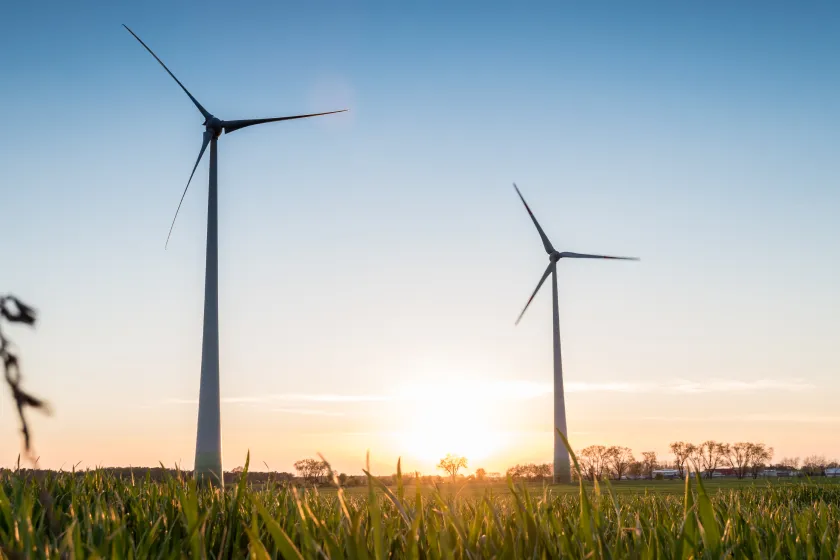
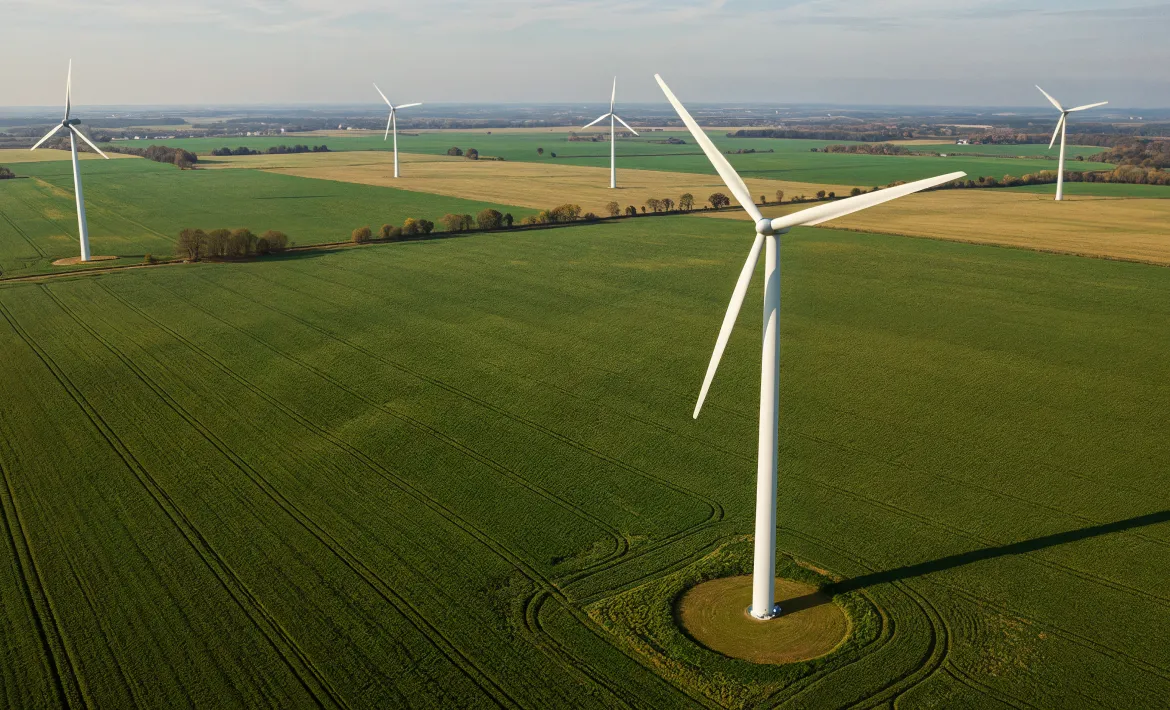
Wind turbines are more than elegant silhouettes on the horizon — they’re masterpieces of modern engineering. Behind their graceful blades lies a blend of physics, materials science, and technology In this post, we’ll take you inside the core engineering of wind turbines — exploring how they work, what makes them efficient, and why they’re key to our renewable future.At the heart of every wind turbine lies a simple principle: kinetic energy — the energy of motion. When wind flows across the turbine’s blades, it creates a difference in air pressure. The aerodynamic shape of the blades, much like an airplane wing, allows them to lift and rotate. This rotation drives the main shaft connected to a generator, which produces electricity.

Blade design: where art meets aerodynamics

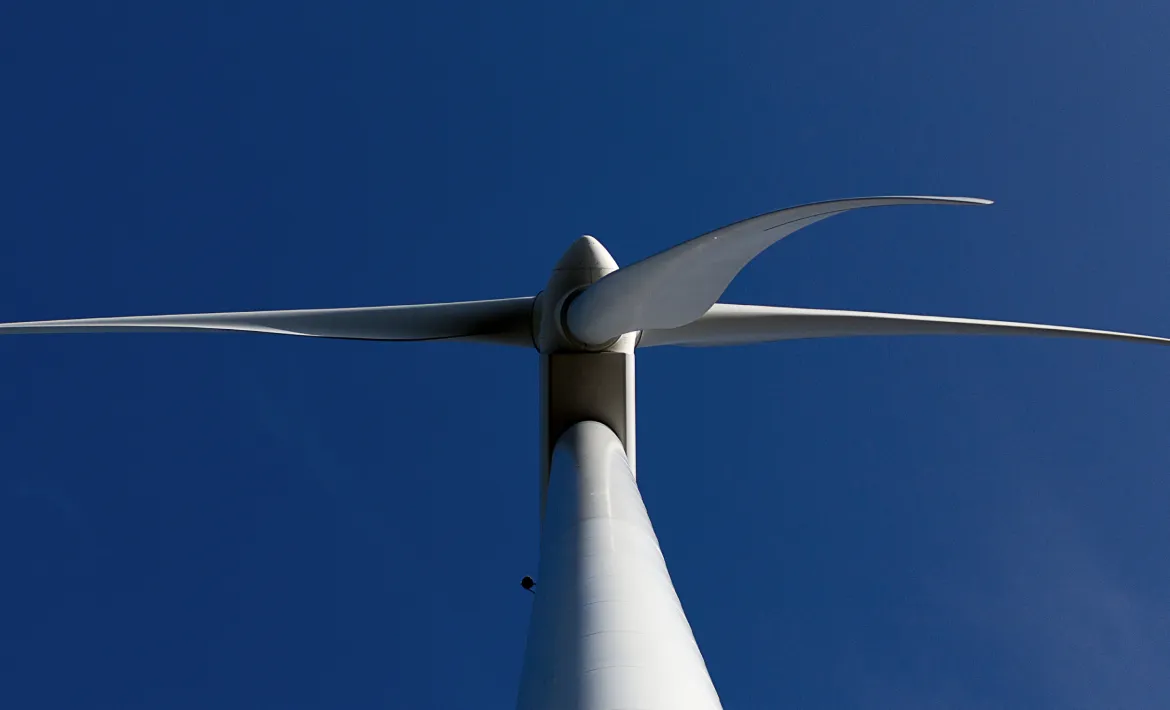
Modern engineering refines this simple idea through computer modeling, blade optimization, and real-time control systems to ensure that every gust of wind is used efficiently. Blades are the most critical component of a turbine’s performance. They’re long, lightweight, and precisely curved to capture maximum wind energy while minimizing drag. Engineers use materials like carbon fiber composites to balance strength and flexibility.
The power train: turning rotation into electricity

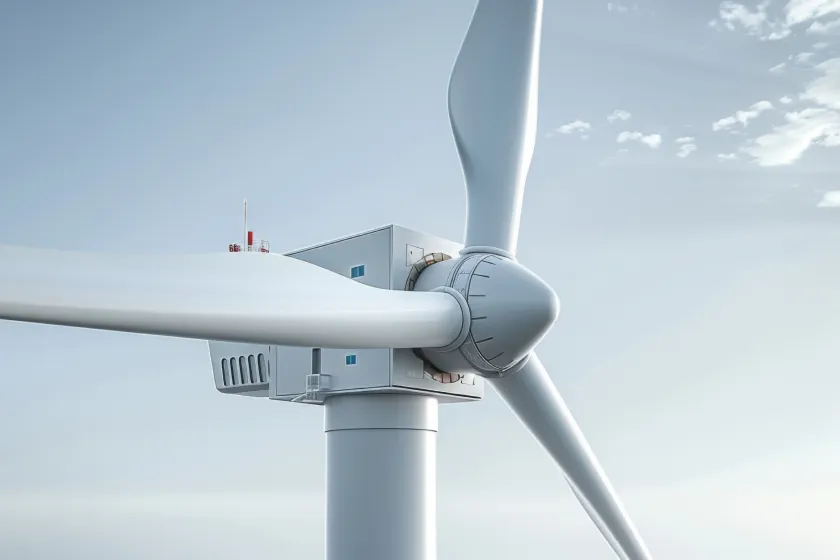
Once the blades turn, the rotor hub transfers mechanical energy through the main shaft into a gearbox, which increases rotational speed for the generator. The generator then converts this motion into electrical power.
Some modern turbines use direct-drive systems, removing the gearbox entirely. This reduces friction, maintenance, and mechanical losses — increasing reliability in harsh conditions.

  • Wind flows across the blades and creates lift (similar to an airplane wing).
  • The blades begin to rotate, turning the rotor hub.
  • The rotor drives the main shaft, which transfers motion to the generator.
  • The generator converts mechanical rotation into electrical power.

Smart systems & control technology

Every aspect of turbine design is driven by sustainability. Engineers focus not only on energy output but also on reducing material waste, improving recyclability, and designing systems that last decades with minimal environmental impact. From biodegradable lubricants to recyclable composite blades, wind turbine technology continues to evolve toward a fully circular design philosophy — one where every component contributes.

The engineering behind wind turbines represents the perfect balance of science and sustainability — transforming invisible air currents into tangible progress. As materials improve and digital systems evolve, wind energy will only become more efficient, accessible, and vital to the world’s clean energy transition.

READ MORE
blog-1
Equipment
December 10, 2025by admin

The environmental impact of wind energy

Wind turbines are more than elegant silhouettes on the horizon — they’re masterpieces of modern engineering. Behind their graceful blades lies a blend of physics, materials science, and technology In this post, we’ll take you inside the core engineering of wind turbines — exploring how they work, what makes them efficient, and why they’re key to our renewable future.At the heart of every wind turbine lies a simple principle: kinetic energy — the energy of motion. When wind flows across the turbine’s blades, it creates a difference in air pressure. The aerodynamic shape of the blades, much like an airplane wing, allows them to lift and rotate. This rotation drives the main shaft connected to a generator, which produces electricity.

Blade design: where art meets aerodynamics

Modern engineering refines this simple idea through computer modeling, blade optimization, and real-time control systems to ensure that every gust of wind is used efficiently. Blades are the most critical component of a turbine’s performance. They’re long, lightweight, and precisely curved to capture maximum wind energy while minimizing drag. Engineers use materials like carbon fiber composites to balance strength and flexibility.

The power train: turning rotation into electricity

Once the blades turn, the rotor hub transfers mechanical energy through the main shaft into a gearbox, which increases rotational speed for the generator. The generator then converts this motion into electrical power.
Some modern turbines use direct-drive systems, removing the gearbox entirely. This reduces friction, maintenance, and mechanical losses — increasing reliability in harsh conditions.

  • Wind flows across the blades and creates lift (similar to an airplane wing).
  • The blades begin to rotate, turning the rotor hub.
  • The rotor drives the main shaft, which transfers motion to the generator.
  • The generator converts mechanical rotation into electrical power.

Smart systems & control technology

Every aspect of turbine design is driven by sustainability. Engineers focus not only on energy output but also on reducing material waste, improving recyclability, and designing systems that last decades with minimal environmental impact. From biodegradable lubricants to recyclable composite blades, wind turbine technology continues to evolve toward a fully circular design philosophy — one where every component contributes.

The engineering behind wind turbines represents the perfect balance of science and sustainability — transforming invisible air currents into tangible progress. As materials improve and digital systems evolve, wind energy will only become more efficient, accessible, and vital to the world’s clean energy transition.
READ MORE
blog-2
Solar
December 10, 2025by admin

The real numbers behind green energy

Wind turbines are more than elegant silhouettes on the horizon — they’re masterpieces of modern engineering. Behind their graceful blades lies a blend of physics, materials science, and technology In this post, we’ll take you inside the core engineering of wind turbines — exploring how they work, what makes them efficient, and why they’re key to our renewable future.At the heart of every wind turbine lies a simple principle: kinetic energy — the energy of motion. When wind flows across the turbine’s blades, it creates a difference in air pressure. The aerodynamic shape of the blades, much like an airplane wing, allows them to lift and rotate. This rotation drives the main shaft connected to a generator, which produces electricity.

Blade design: where art meets aerodynamics

Modern engineering refines this simple idea through computer modeling, blade optimization, and real-time control systems to ensure that every gust of wind is used efficiently. Blades are the most critical component of a turbine’s performance. They’re long, lightweight, and precisely curved to capture maximum wind energy while minimizing drag. Engineers use materials like carbon fiber composites to balance strength and flexibility.

The power train: turning rotation into electricity

Once the blades turn, the rotor hub transfers mechanical energy through the main shaft into a gearbox, which increases rotational speed for the generator. The generator then converts this motion into electrical power.
Some modern turbines use direct-drive systems, removing the gearbox entirely. This reduces friction, maintenance, and mechanical losses — increasing reliability in harsh conditions.

  • Wind flows across the blades and creates lift (similar to an airplane wing).
  • The blades begin to rotate, turning the rotor hub.
  • The rotor drives the main shaft, which transfers motion to the generator.
  • The generator converts mechanical rotation into electrical power.

Smart systems & control technology

Every aspect of turbine design is driven by sustainability. Engineers focus not only on energy output but also on reducing material waste, improving recyclability, and designing systems that last decades with minimal environmental impact. From biodegradable lubricants to recyclable composite blades, wind turbine technology continues to evolve toward a fully circular design philosophy — one where every component contributes.

The engineering behind wind turbines represents the perfect balance of science and sustainability — transforming invisible air currents into tangible progress. As materials improve and digital systems evolve, wind energy will only become more efficient, accessible, and vital to the world’s clean energy transition.
READ MORE
blog-3
Wind energy
December 10, 2025by admin

How wind power connects technology

Wind turbines are more than elegant silhouettes on the horizon — they’re masterpieces of modern engineering. Behind their graceful blades lies a blend of physics, materials science, and technology In this post, we’ll take you inside the core engineering of wind turbines — exploring how they work, what makes them efficient, and why they’re key to our renewable future.At the heart of every wind turbine lies a simple principle: kinetic energy — the energy of motion. When wind flows across the turbine’s blades, it creates a difference in air pressure. The aerodynamic shape of the blades, much like an airplane wing, allows them to lift and rotate. This rotation drives the main shaft connected to a generator, which produces electricity.

Blade design: where art meets aerodynamics

Modern engineering refines this simple idea through computer modeling, blade optimization, and real-time control systems to ensure that every gust of wind is used efficiently. Blades are the most critical component of a turbine’s performance. They’re long, lightweight, and precisely curved to capture maximum wind energy while minimizing drag. Engineers use materials like carbon fiber composites to balance strength and flexibility.

The power train: turning rotation into electricity

Once the blades turn, the rotor hub transfers mechanical energy through the main shaft into a gearbox, which increases rotational speed for the generator. The generator then converts this motion into electrical power.
Some modern turbines use direct-drive systems, removing the gearbox entirely. This reduces friction, maintenance, and mechanical losses — increasing reliability in harsh conditions.

  • Wind flows across the blades and creates lift (similar to an airplane wing).
  • The blades begin to rotate, turning the rotor hub.
  • The rotor drives the main shaft, which transfers motion to the generator.
  • The generator converts mechanical rotation into electrical power.

Smart systems & control technology

Every aspect of turbine design is driven by sustainability. Engineers focus not only on energy output but also on reducing material waste, improving recyclability, and designing systems that last decades with minimal environmental impact. From biodegradable lubricants to recyclable composite blades, wind turbine technology continues to evolve toward a fully circular design philosophy — one where every component contributes.

The engineering behind wind turbines represents the perfect balance of science and sustainability — transforming invisible air currents into tangible progress. As materials improve and digital systems evolve, wind energy will only become more efficient, accessible, and vital to the world’s clean energy transition.
READ MORE
blog-4
Renewable
December 10, 2025by admin

Solar as the backbone of a green planet

Wind turbines are more than elegant silhouettes on the horizon — they’re masterpieces of modern engineering. Behind their graceful blades lies a blend of physics, materials science, and technology In this post, we’ll take you inside the core engineering of wind turbines — exploring how they work, what makes them efficient, and why they’re key to our renewable future.At the heart of every wind turbine lies a simple principle: kinetic energy — the energy of motion. When wind flows across the turbine’s blades, it creates a difference in air pressure. The aerodynamic shape of the blades, much like an airplane wing, allows them to lift and rotate. This rotation drives the main shaft connected to a generator, which produces electricity.

Blade design: where art meets aerodynamics

Modern engineering refines this simple idea through computer modeling, blade optimization, and real-time control systems to ensure that every gust of wind is used efficiently. Blades are the most critical component of a turbine’s performance. They’re long, lightweight, and precisely curved to capture maximum wind energy while minimizing drag. Engineers use materials like carbon fiber composites to balance strength and flexibility.

The power train: turning rotation into electricity

Once the blades turn, the rotor hub transfers mechanical energy through the main shaft into a gearbox, which increases rotational speed for the generator. The generator then converts this motion into electrical power.
Some modern turbines use direct-drive systems, removing the gearbox entirely. This reduces friction, maintenance, and mechanical losses — increasing reliability in harsh conditions.

  • Wind flows across the blades and creates lift (similar to an airplane wing).
  • The blades begin to rotate, turning the rotor hub.
  • The rotor drives the main shaft, which transfers motion to the generator.
  • The generator converts mechanical rotation into electrical power.

Smart systems & control technology

Every aspect of turbine design is driven by sustainability. Engineers focus not only on energy output but also on reducing material waste, improving recyclability, and designing systems that last decades with minimal environmental impact. From biodegradable lubricants to recyclable composite blades, wind turbine technology continues to evolve toward a fully circular design philosophy — one where every component contributes.

The engineering behind wind turbines represents the perfect balance of science and sustainability — transforming invisible air currents into tangible progress. As materials improve and digital systems evolve, wind energy will only become more efficient, accessible, and vital to the world’s clean energy transition.
READ MORE
blog-5
Wind energy
December 10, 2025by admin

Building solar projects responsibly

Wind turbines are more than elegant silhouettes on the horizon — they’re masterpieces of modern engineering. Behind their graceful blades lies a blend of physics, materials science, and technology In this post, we’ll take you inside the core engineering of wind turbines — exploring how they work, what makes them efficient, and why they’re key to our renewable future.At the heart of every wind turbine lies a simple principle: kinetic energy — the energy of motion. When wind flows across the turbine’s blades, it creates a difference in air pressure. The aerodynamic shape of the blades, much like an airplane wing, allows them to lift and rotate. This rotation drives the main shaft connected to a generator, which produces electricity.

Blade design: where art meets aerodynamics

Modern engineering refines this simple idea through computer modeling, blade optimization, and real-time control systems to ensure that every gust of wind is used efficiently. Blades are the most critical component of a turbine’s performance. They’re long, lightweight, and precisely curved to capture maximum wind energy while minimizing drag. Engineers use materials like carbon fiber composites to balance strength and flexibility.

The power train: turning rotation into electricity

Once the blades turn, the rotor hub transfers mechanical energy through the main shaft into a gearbox, which increases rotational speed for the generator. The generator then converts this motion into electrical power.
Some modern turbines use direct-drive systems, removing the gearbox entirely. This reduces friction, maintenance, and mechanical losses — increasing reliability in harsh conditions.

  • Wind flows across the blades and creates lift (similar to an airplane wing).
  • The blades begin to rotate, turning the rotor hub.
  • The rotor drives the main shaft, which transfers motion to the generator.
  • The generator converts mechanical rotation into electrical power.

Smart systems & control technology

Every aspect of turbine design is driven by sustainability. Engineers focus not only on energy output but also on reducing material waste, improving recyclability, and designing systems that last decades with minimal environmental impact. From biodegradable lubricants to recyclable composite blades, wind turbine technology continues to evolve toward a fully circular design philosophy — one where every component contributes.

The engineering behind wind turbines represents the perfect balance of science and sustainability — transforming invisible air currents into tangible progress. As materials improve and digital systems evolve, wind energy will only become more efficient, accessible, and vital to the world’s clean energy transition.
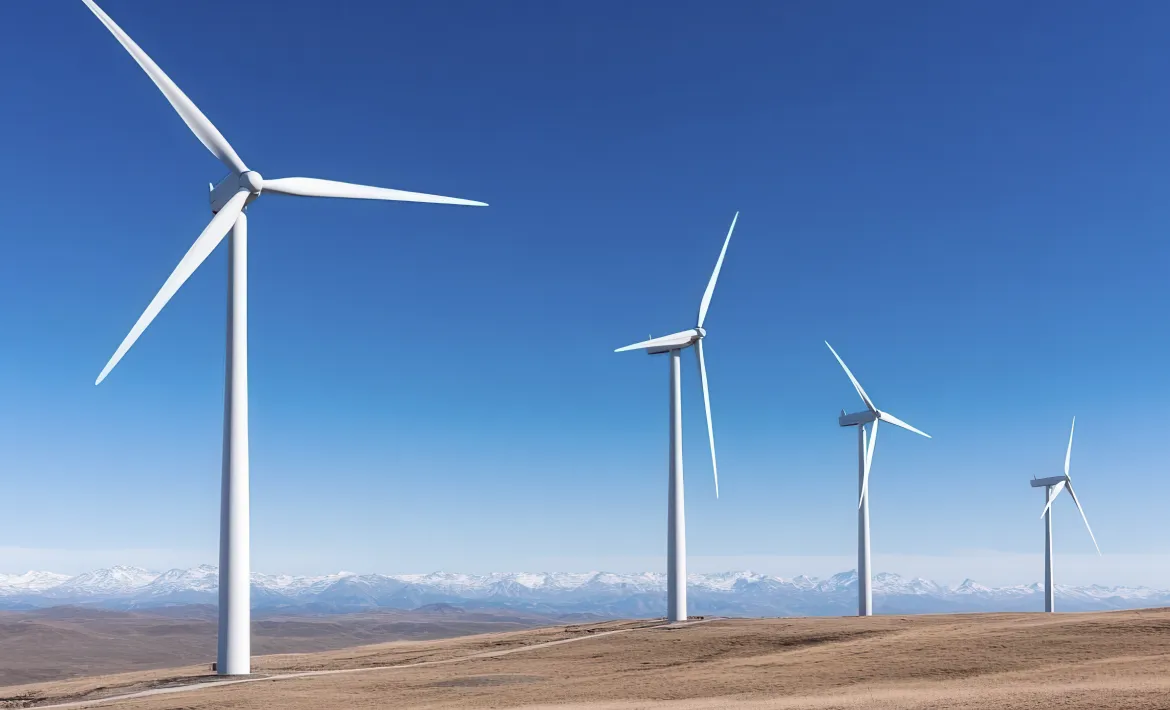
READ MORE
blog-6
Solar
December 10, 2025by admin

A world powered by wind and sunlight

Wind turbines are more than elegant silhouettes on the horizon — they’re masterpieces of modern engineering. Behind their graceful blades lies a blend of physics, materials science, and technology In this post, we’ll take you inside the core engineering of wind turbines — exploring how they work, what makes them efficient, and why they’re key to our renewable future.At the heart of every wind turbine lies a simple principle: kinetic energy — the energy of motion. When wind flows across the turbine’s blades, it creates a difference in air pressure. The aerodynamic shape of the blades, much like an airplane wing, allows them to lift and rotate. This rotation drives the main shaft connected to a generator, which produces electricity.

Blade design: where art meets aerodynamics

Modern engineering refines this simple idea through computer modeling, blade optimization, and real-time control systems to ensure that every gust of wind is used efficiently. Blades are the most critical component of a turbine’s performance. They’re long, lightweight, and precisely curved to capture maximum wind energy while minimizing drag. Engineers use materials like carbon fiber composites to balance strength and flexibility.

The power train: turning rotation into electricity

Once the blades turn, the rotor hub transfers mechanical energy through the main shaft into a gearbox, which increases rotational speed for the generator. The generator then converts this motion into electrical power.
Some modern turbines use direct-drive systems, removing the gearbox entirely. This reduces friction, maintenance, and mechanical losses — increasing reliability in harsh conditions.

  • Wind flows across the blades and creates lift (similar to an airplane wing).
  • The blades begin to rotate, turning the rotor hub.
  • The rotor drives the main shaft, which transfers motion to the generator.
  • The generator converts mechanical rotation into electrical power.

Smart systems & control technology

Every aspect of turbine design is driven by sustainability. Engineers focus not only on energy output but also on reducing material waste, improving recyclability, and designing systems that last decades with minimal environmental impact. From biodegradable lubricants to recyclable composite blades, wind turbine technology continues to evolve toward a fully circular design philosophy — one where every component contributes.

The engineering behind wind turbines represents the perfect balance of science and sustainability — transforming invisible air currents into tangible progress. As materials improve and digital systems evolve, wind energy will only become more efficient, accessible, and vital to the world’s clean energy transition.
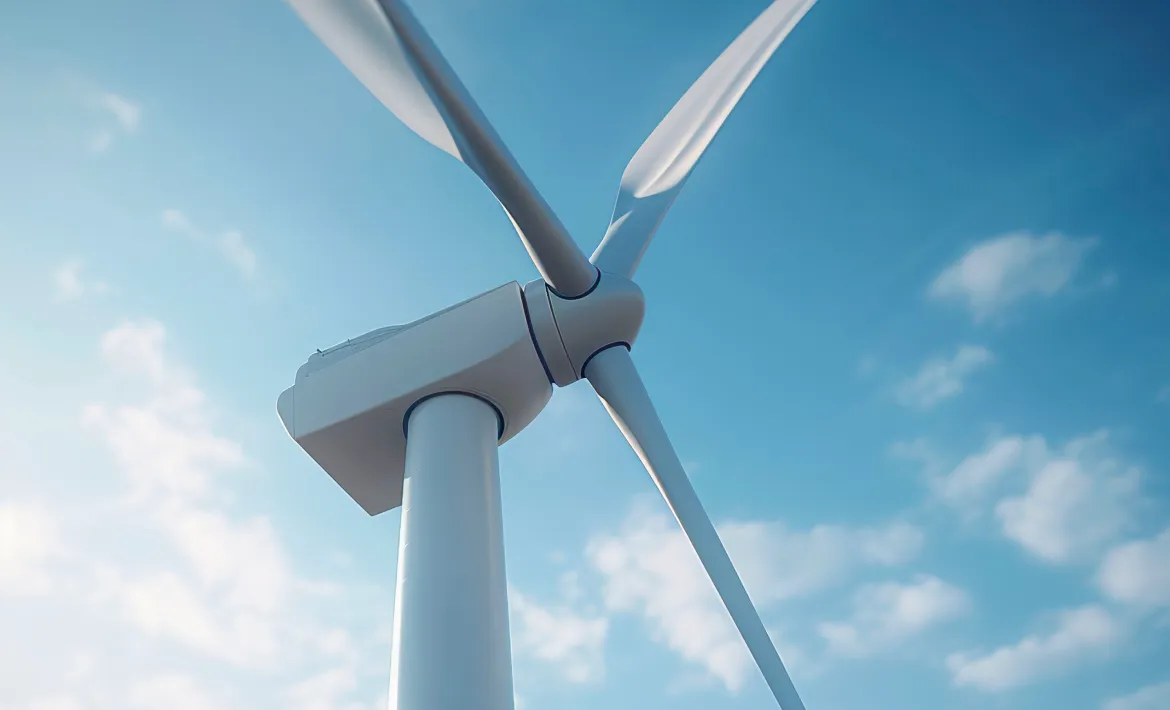
READ MORE
blog-7
Equipment
December 10, 2025by admin

The economic ripple of renewable energy

Wind turbines are more than elegant silhouettes on the horizon — they’re masterpieces of modern engineering. Behind their graceful blades lies a blend of physics, materials science, and technology In this post, we’ll take you inside the core engineering of wind turbines — exploring how they work, what makes them efficient, and why they’re key to our renewable future.At the heart of every wind turbine lies a simple principle: kinetic energy — the energy of motion. When wind flows across the turbine’s blades, it creates a difference in air pressure. The aerodynamic shape of the blades, much like an airplane wing, allows them to lift and rotate. This rotation drives the main shaft connected to a generator, which produces electricity.

Blade design: where art meets aerodynamics

Modern engineering refines this simple idea through computer modeling, blade optimization, and real-time control systems to ensure that every gust of wind is used efficiently. Blades are the most critical component of a turbine’s performance. They’re long, lightweight, and precisely curved to capture maximum wind energy while minimizing drag. Engineers use materials like carbon fiber composites to balance strength and flexibility.

The power train: turning rotation into electricity

Once the blades turn, the rotor hub transfers mechanical energy through the main shaft into a gearbox, which increases rotational speed for the generator. The generator then converts this motion into electrical power.
Some modern turbines use direct-drive systems, removing the gearbox entirely. This reduces friction, maintenance, and mechanical losses — increasing reliability in harsh conditions.

  • Wind flows across the blades and creates lift (similar to an airplane wing).
  • The blades begin to rotate, turning the rotor hub.
  • The rotor drives the main shaft, which transfers motion to the generator.
  • The generator converts mechanical rotation into electrical power.

Smart systems & control technology

Every aspect of turbine design is driven by sustainability. Engineers focus not only on energy output but also on reducing material waste, improving recyclability, and designing systems that last decades with minimal environmental impact. From biodegradable lubricants to recyclable composite blades, wind turbine technology continues to evolve toward a fully circular design philosophy — one where every component contributes.

The engineering behind wind turbines represents the perfect balance of science and sustainability — transforming invisible air currents into tangible progress. As materials improve and digital systems evolve, wind energy will only become more efficient, accessible, and vital to the world’s clean energy transition.
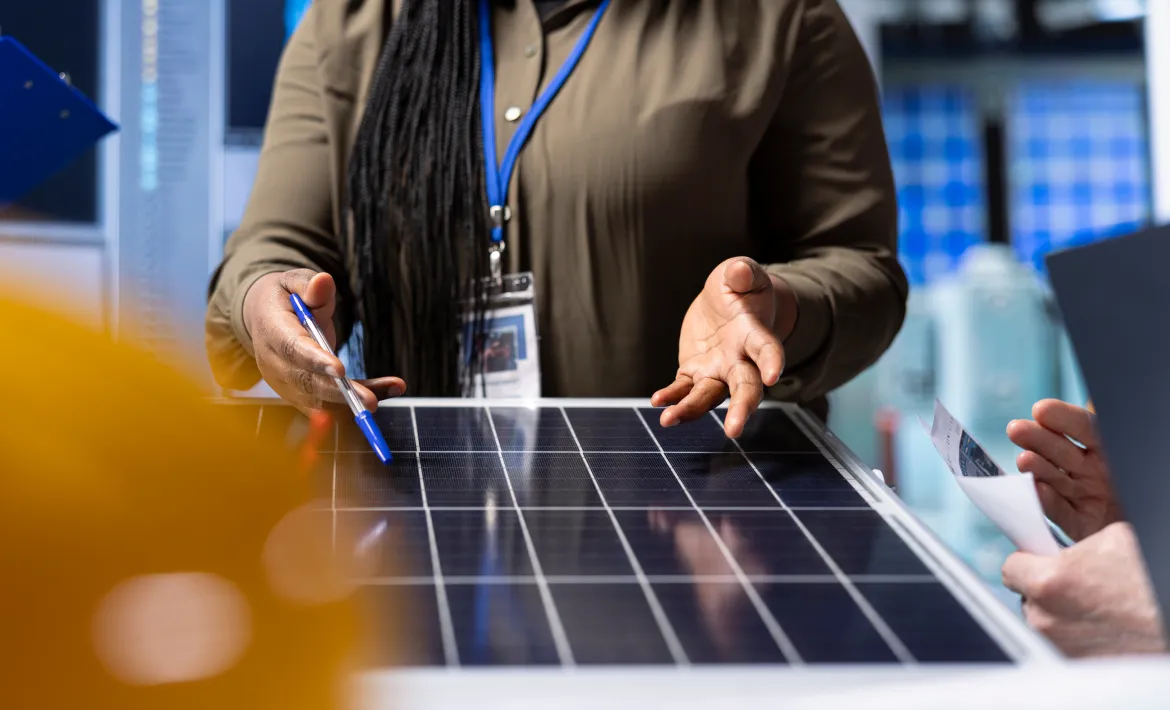
READ MORE
blog-8
Solar
December 10, 2025by admin

Building the future of sustainable power

Wind turbines are more than elegant silhouettes on the horizon — they’re masterpieces of modern engineering. Behind their graceful blades lies a blend of physics, materials science, and technology In this post, we’ll take you inside the core engineering of wind turbines — exploring how they work, what makes them efficient, and why they’re key to our renewable future.At the heart of every wind turbine lies a simple principle: kinetic energy — the energy of motion. When wind flows across the turbine’s blades, it creates a difference in air pressure. The aerodynamic shape of the blades, much like an airplane wing, allows them to lift and rotate. This rotation drives the main shaft connected to a generator, which produces electricity.

Blade design: where art meets aerodynamics

Modern engineering refines this simple idea through computer modeling, blade optimization, and real-time control systems to ensure that every gust of wind is used efficiently. Blades are the most critical component of a turbine’s performance. They’re long, lightweight, and precisely curved to capture maximum wind energy while minimizing drag. Engineers use materials like carbon fiber composites to balance strength and flexibility.

The power train: turning rotation into electricity

Once the blades turn, the rotor hub transfers mechanical energy through the main shaft into a gearbox, which increases rotational speed for the generator. The generator then converts this motion into electrical power.
Some modern turbines use direct-drive systems, removing the gearbox entirely. This reduces friction, maintenance, and mechanical losses — increasing reliability in harsh conditions.

  • Wind flows across the blades and creates lift (similar to an airplane wing).
  • The blades begin to rotate, turning the rotor hub.
  • The rotor drives the main shaft, which transfers motion to the generator.
  • The generator converts mechanical rotation into electrical power.

Smart systems & control technology

Every aspect of turbine design is driven by sustainability. Engineers focus not only on energy output but also on reducing material waste, improving recyclability, and designing systems that last decades with minimal environmental impact. From biodegradable lubricants to recyclable composite blades, wind turbine technology continues to evolve toward a fully circular design philosophy — one where every component contributes.

The engineering behind wind turbines represents the perfect balance of science and sustainability — transforming invisible air currents into tangible progress. As materials improve and digital systems evolve, wind energy will only become more efficient, accessible, and vital to the world’s clean energy transition.

READ MORE
blog-9
Wind energy
December 10, 2025by admin

AI is making green energy smarter

Wind turbines are more than elegant silhouettes on the horizon — they’re masterpieces of modern engineering. Behind their graceful blades lies a blend of physics, materials science, and technology In this post, we’ll take you inside the core engineering of wind turbines — exploring how they work, what makes them efficient, and why they’re key to our renewable future.At the heart of every wind turbine lies a simple principle: kinetic energy — the energy of motion. When wind flows across the turbine’s blades, it creates a difference in air pressure. The aerodynamic shape of the blades, much like an airplane wing, allows them to lift and rotate. This rotation drives the main shaft connected to a generator, which produces electricity.

Blade design: where art meets aerodynamics

Modern engineering refines this simple idea through computer modeling, blade optimization, and real-time control systems to ensure that every gust of wind is used efficiently. Blades are the most critical component of a turbine’s performance. They’re long, lightweight, and precisely curved to capture maximum wind energy while minimizing drag. Engineers use materials like carbon fiber composites to balance strength and flexibility.

The power train: turning rotation into electricity

Once the blades turn, the rotor hub transfers mechanical energy through the main shaft into a gearbox, which increases rotational speed for the generator. The generator then converts this motion into electrical power.
Some modern turbines use direct-drive systems, removing the gearbox entirely. This reduces friction, maintenance, and mechanical losses — increasing reliability in harsh conditions.

  • Wind flows across the blades and creates lift (similar to an airplane wing).
  • The blades begin to rotate, turning the rotor hub.
  • The rotor drives the main shaft, which transfers motion to the generator.
  • The generator converts mechanical rotation into electrical power.

Smart systems & control technology

Every aspect of turbine design is driven by sustainability. Engineers focus not only on energy output but also on reducing material waste, improving recyclability, and designing systems that last decades with minimal environmental impact. From biodegradable lubricants to recyclable composite blades, wind turbine technology continues to evolve toward a fully circular design philosophy — one where every component contributes.

The engineering behind wind turbines represents the perfect balance of science and sustainability — transforming invisible air currents into tangible progress. As materials improve and digital systems evolve, wind energy will only become more efficient, accessible, and vital to the world’s clean energy transition.

READ MORE
  • 1
  • 2

Recent Posts

  • Hello world!
  • Inside the engineering of wind turbines
  • The environmental impact of wind energy
  • The real numbers behind green energy
  • How wind power connects technology

Recent Comments

  1. A WordPress Commenter on Hello world!
  2. David Parker on Inside the engineering of wind turbines
  3. John Newman on Inside the engineering of wind turbines
  4. David Parker on The environmental impact of wind energy
  5. John Newman on The environmental impact of wind energy

Archives

  • July 2026
  • December 2025

Categories

  • Equipment
  • Renewable
  • Solar
  • Uncategorized
  • Wind energy
categories
  • Equipment5
  • Renewable5
  • Solar5
  • Uncategorized1
  • Wind energy4
popular tags
ecology energy green energy power renewable solar sun panel wind turbine
gallery

Copyright © 2026 Aerra by WebGeniusLab. All Rights Reserved